Automation has the power to serve society. Are we still building it that way?
Közzétéve: 2026. szeptember 29. hely: Fenntartható gyártás
By Virendra Shelar, CEO OMRON Industrial Automation Europe
Automation has always carried the promise of making work safer, industries more productive and society better equipped to solve problems. Many innovations by automation leaders have had a direct and visible impact to solving problems, from preventing workplace injuries, to ensuring reliable access to clean water, electricity, food, and medicines.
OMRON’s mission, and the goal of our automation solutions, is to make people's lives better and to contribute to a better society. From the world's first automated traffic signal that detected vehicles and responded to actual traffic to the first fully automated train station, our automation innovations were built because people, and society, needed them.
The impact is still there.
Nowadays OMRON’s impact to society can be seen in many different ways. From vision inspection technology for ensuring safe medicine and food packaging, to robotics that reduce the burden of heavy and repetitive manual labour. From safety curtains in machines to reduce accidents, to data analysis for quicker and better decision making. All while improving productivity. These are exactly following our motto: ‘To machine the work of the machine. To man the thrill of further creation’.
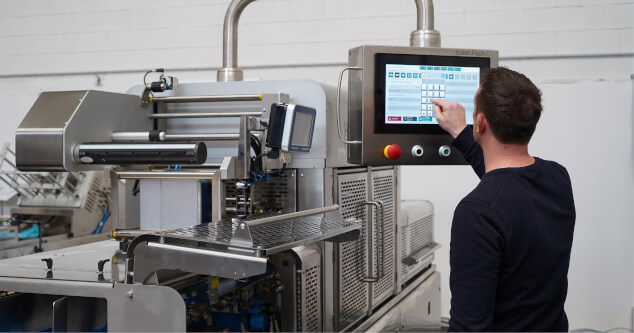
Technology can serve society, as well as create new issues.
But technology used in different areas of society is also creating problems. Look at the effect of social networks on mental wellbeing. Automation is also making it faster and easier to produce different models. However, this technology has also created a social dilemma where only consuming more will make people happy. At one point in time, if you had two pairs of sneakers, you were happy with it. But now even if you have 20 pairs, you're still unhappy because the latest model just came out.
When somebody says AI, ask questions.
Will AI continue to change the world? It will. Will it create new social issues? I think it will. But the human race is very adaptive. We will find a way to coexist and evolve it into something even better. I believe that at some point the lines will blur. We will have automation, technology, AI, robots, humanoids, everything bundled into one. That is the direction we are heading, and if we continue to innovate with purpose, the future looks remarkably bright.
While AI is often used as the latest buzzword, truly understanding the power of AI and using it is a completely different story. There are so many layers to it, so many areas that need to evolve. So, when I see the word AI, I take it with a pinch of salt and want to know a little bit more. What are you using it for, and what benefits does it bring? Will it reduce costs, or improve productivity, safety? When somebody talks about implementing AI, I try to ask deeper questions.
At OMRON, we need to be clear on how AI is integrated into our product and solutions, and how it will help the customer and the consumer. If it is helping the factory shop floor with predictive analytics, knowing when to replace parts, avoiding downtime, improving productivity and saving costs. Then yes, a product with AI is actually helping you.
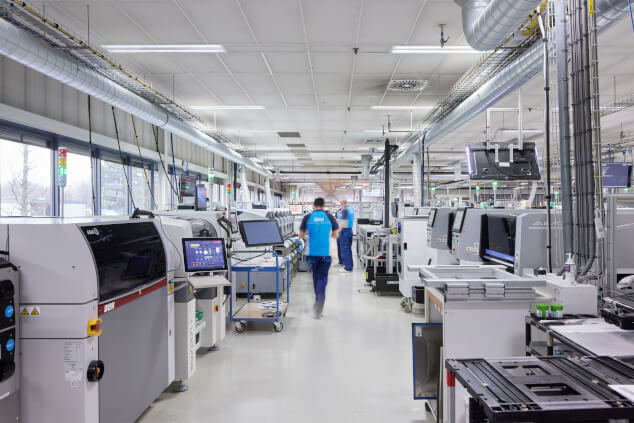
Safety, quality, cost, talent. Why automation connects all four.
Labour shortage is going to become a problem in most societies, so automation is essential for compensating that. While automation will help your factory in many ways, a completely new set of talents will be required to manage this with skilled workers. As a factory, in order to attract people that really enjoy engineering, you will have to have automation on your shop floor. Only then can you attract employees who enjoy the thrill of working with technology and making it even better.
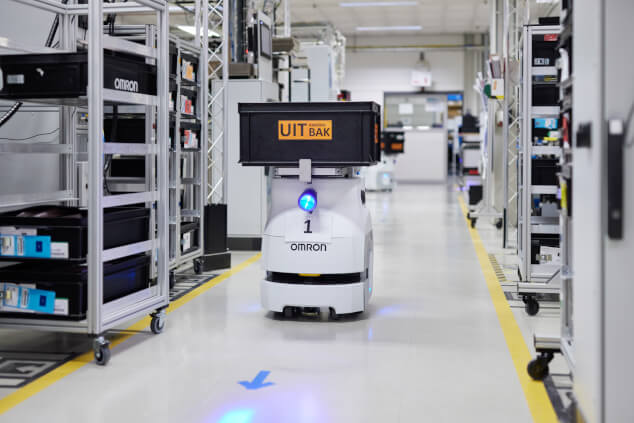
Are we still building it that way?
Are we still building automation to serve society? For OMRON, the answer has to be absolutely, every time. That is what we were founded to do. Start with a real problem, find the technology to solve it, and try until your solution works.
Read more about OMRON’s Company Principles